If you've ever been walked by your dog instead of the other way around, you're not alone. Leash pulling is the single most common struggle owners bring to us here at Frankly Dog Training — and honestly, it makes sense. Your dog is excited, the world smells incredible, and that squirrel across the street isn't going to chase itself.
I think about Zeus every time this topic comes up. Zeus is a year and a half old Rottweiler who came to us as quite the jumper and pulled like a freight train. His owner's arms were bruised. Walks had become something they dreaded instead of enjoyed. Sound familiar?
The good news is that loose-leash walking is absolutely teachable. But it starts with getting two things in place before you ever step out the door — and most people skip both of them.
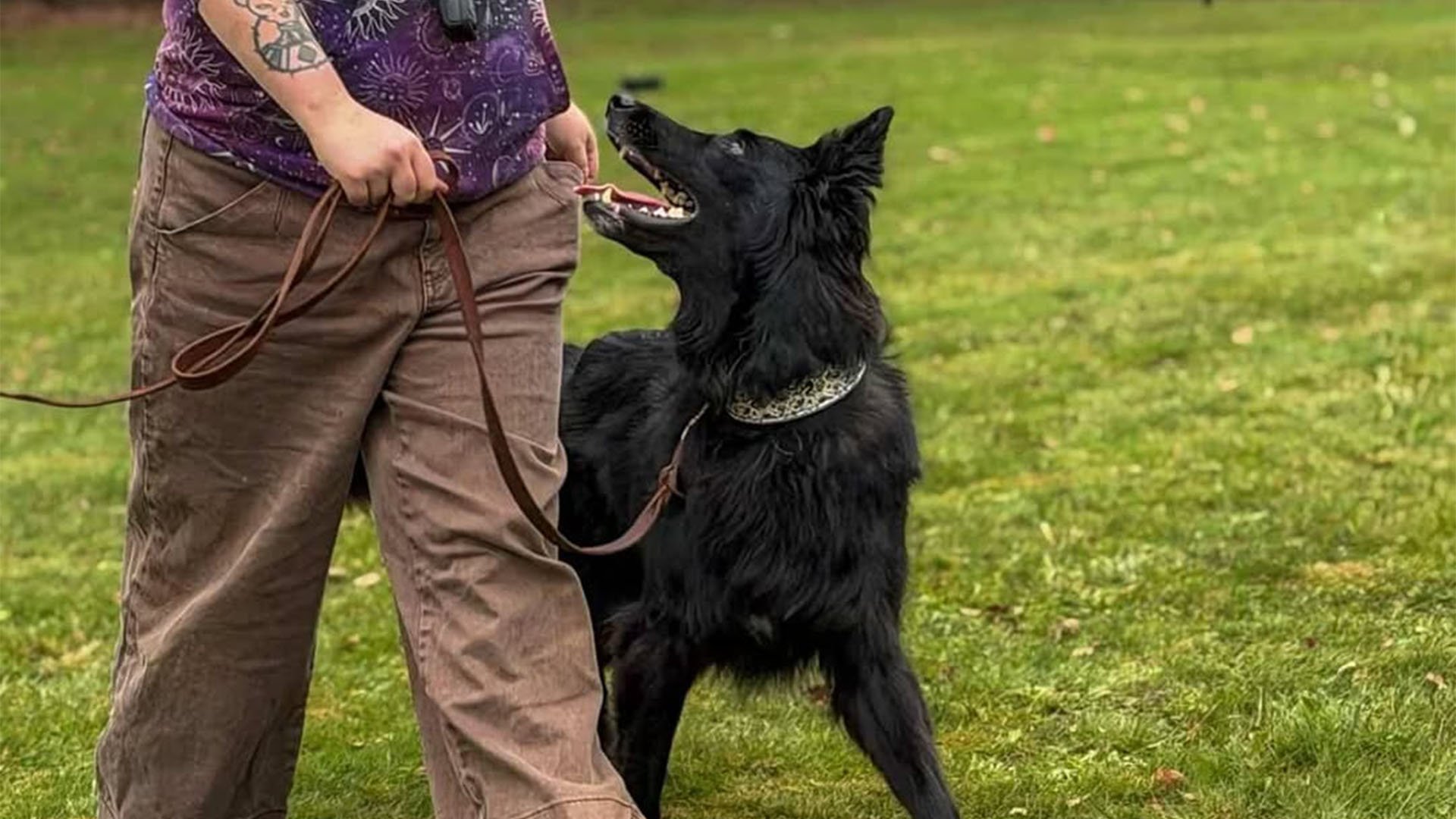
First: a solid focus command. Teach your dog "look," "eyes," or "on me" — whatever cue works for you. The dog should look up at your eyes on command. If your dog won't give you their attention in your living room, they're not ready to give it to you when there's a squirrel thirty feet away. Build the focus first, then build the walk around it.
Second: start in a low-distraction environment. Not the sidewalk. Not a park. Start in your house or your backyard, where the world is quiet and your dog can actually hear what you're asking. The street is the final exam. The house is day one of class. If training in the yard isn't working, go inside. If inside isn't working, you're moving too fast.
Here's the thing most people don't realize: pulling works. Every time your dog lunges forward and you follow, they just learned that pulling gets them where they want to go. It's not stubbornness — it's simple cause and effect. Dogs also move faster than we do naturally. They want to explore and sniff. The leash is a weird human invention as far as they're concerned, and nobody explained the rules to them. That's where we come in as their teammate.
This matters more than most people think. Treats and rewards go on the same side the dog is walking on. If the dog is on your left, treats are in your left hand. Leash goes in the opposite hand. If you're constantly rewarding with the wrong hand, the dog will keep crossing in front of you. Most people are right-handed, so the default is dog on the left, treats in the left hand, leash in the right. Whatever side you choose — stay consistent.
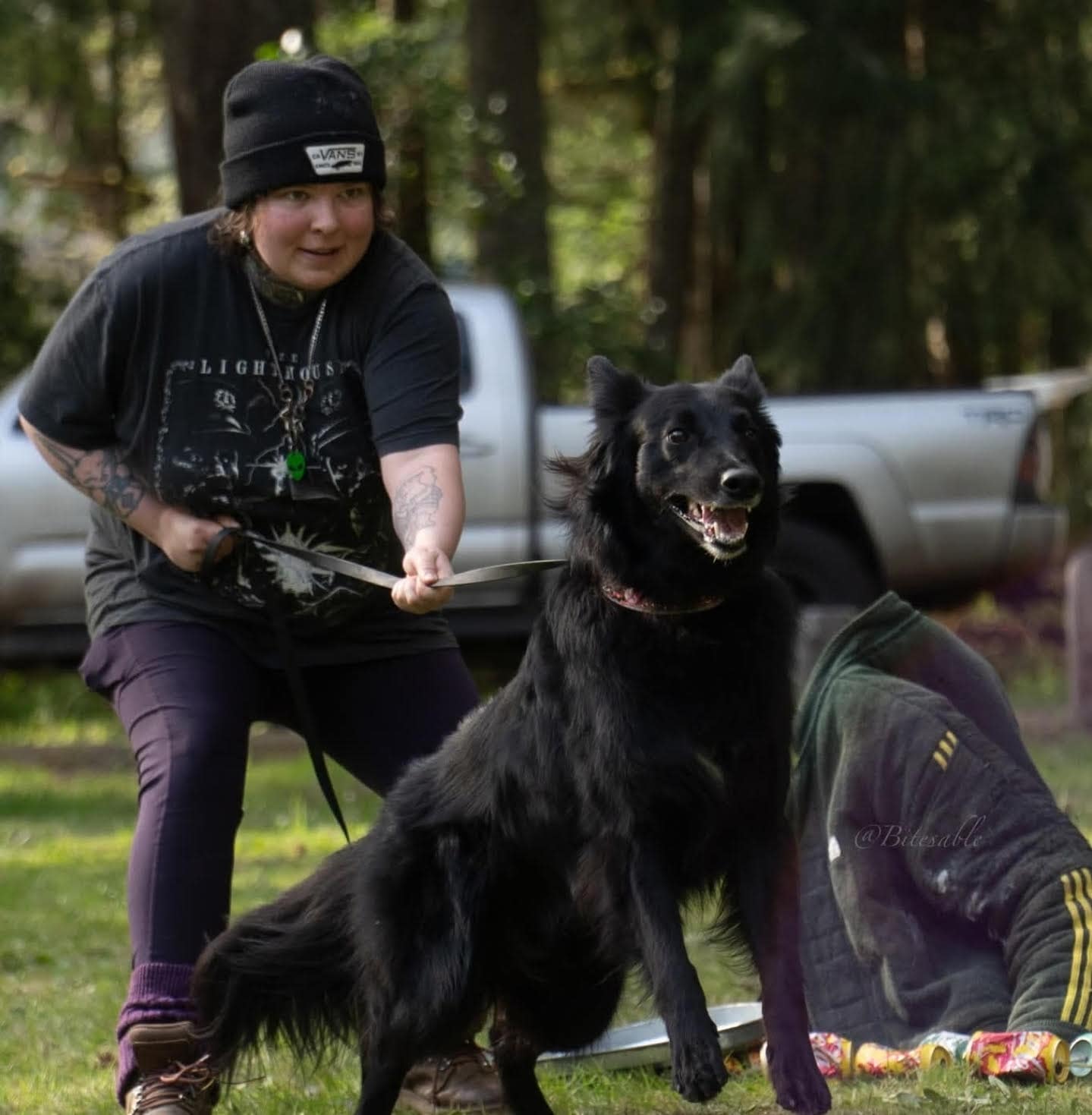
The moment your dog hits the end of the leash and starts pulling, stop — but don't just stand there like a tree. Walk backwards. The backward movement creates excitement and draws the dog back toward you. When they turn around and run back to your side, they're happy to be there. Lure them back if you need to, then mark and reward the moment they arrive.
Standing still can work, but it misses something important: you're competing against the whole world. Squirrels, dogs, kids, bicycles — all of it is fighting for your dog's attention. If you're just a statue on the sidewalk, you're going to lose that competition. Add movement. Add energy. Make coming back to you the most interesting thing happening on the block.
Every dog knows their route. The spot where the neighbor's dog charges the fence, the driveway with the barking dogs — your dog feels the tension building half a block before you even get there. That buildup is exactly where you work.
First prove the behavior in a low-distraction environment. Once the dog is reliable there, start working at the very first sign of tension on your regular route — not at the trigger itself, but the moment your dog first notices it's coming. That's the edge of their arousal threshold. Below that, they're still biddable and able to learn. Above it, they're just reacting and you've lost the session.
Get a little closer each training day. Over days — sometimes weeks — you can work right up to the trigger. This is training as a long game, not a weekend fix. Training is a commitment, and real progress shows every single week.
The right equipment can help, but it's a tool — not a substitute for training. Match the collar to the dog and the handler. For most dogs, a martingale or flat collar is where to start. If the dog is pulling so hard that it's unsafe — especially if you're elderly, disabled, or just outmatched by a very large dog — a prong collar under professional guidance can actually mean lighter corrections, because there are more pressure points distributing the force. That's less harsh, not more. Check out our post on Understanding Different Dog Training Collars (and When They're Used) for a full breakdown of what each tool does and when it's appropriate.
As an AKC Canine Good Citizen evaluator, I can tell you that "walking on a loose lead" is one of the ten CGC test items — and it's one of the most common reasons dogs don't pass. The standard isn't a flashy, competition-style heel. But the dog does need to demonstrate they're paying attention to you and not dragging you across the test area.
Beyond the test, loose-leash walking is a foundation skill. A dog that walks well on leash is a dog you can take more places — the farmers market, downtown Riddle, a friend's house. And for anyone working toward therapy dog certification, reliable leash manners aren't optional. They're the baseline.
A lot of owners make the same handful of mistakes. Mistimed corrections — reacting after the moment has already passed — don't teach anything. Holding the leash too short means the dog is technically in position but still has constant tension; give them enough leash to actually work with. Constant tension on the leash just creates tug-of-war. And treating the walk as exercise rather than training means you're focused on getting through the walk instead of doing the work. Slow down. Train pieces of the walk.
Some dogs pick this up in a few sessions. Others — the ones who have been pulling successfully for years — take more time and structure. If your dog is reactive on leash (lunging, barking at other dogs or people), that's a different challenge that goes beyond basic leash manners, and working with a professional can make a big difference.
We work with leash pullers constantly, from puppies who've never been on a leash to adult dogs who've spent their whole lives dragging their owners around. Board-and-train is a great option for dogs who need an intensive reset, and in-home lessons work well if you want to build the skills together in your own neighborhood. Reach out and let's talk about your dog.
This isn't about fixing your dog. There's nothing broken. It's about building a team — Team Zeus, Team Bear, Team whatever-your-dog's-name-is. When your dog understands that walking with you is rewarding and that you're someone worth paying attention to, the pulling stops. Not because they're forced to, but because they choose to.
That's what we work toward with every dog in the Frankly Pack. You can get there too. Take your time, be patient with yourself and your dog, and remember — the progress shows every single week.
Blessings.
Frank Zhirnov
(541) 670-8922